
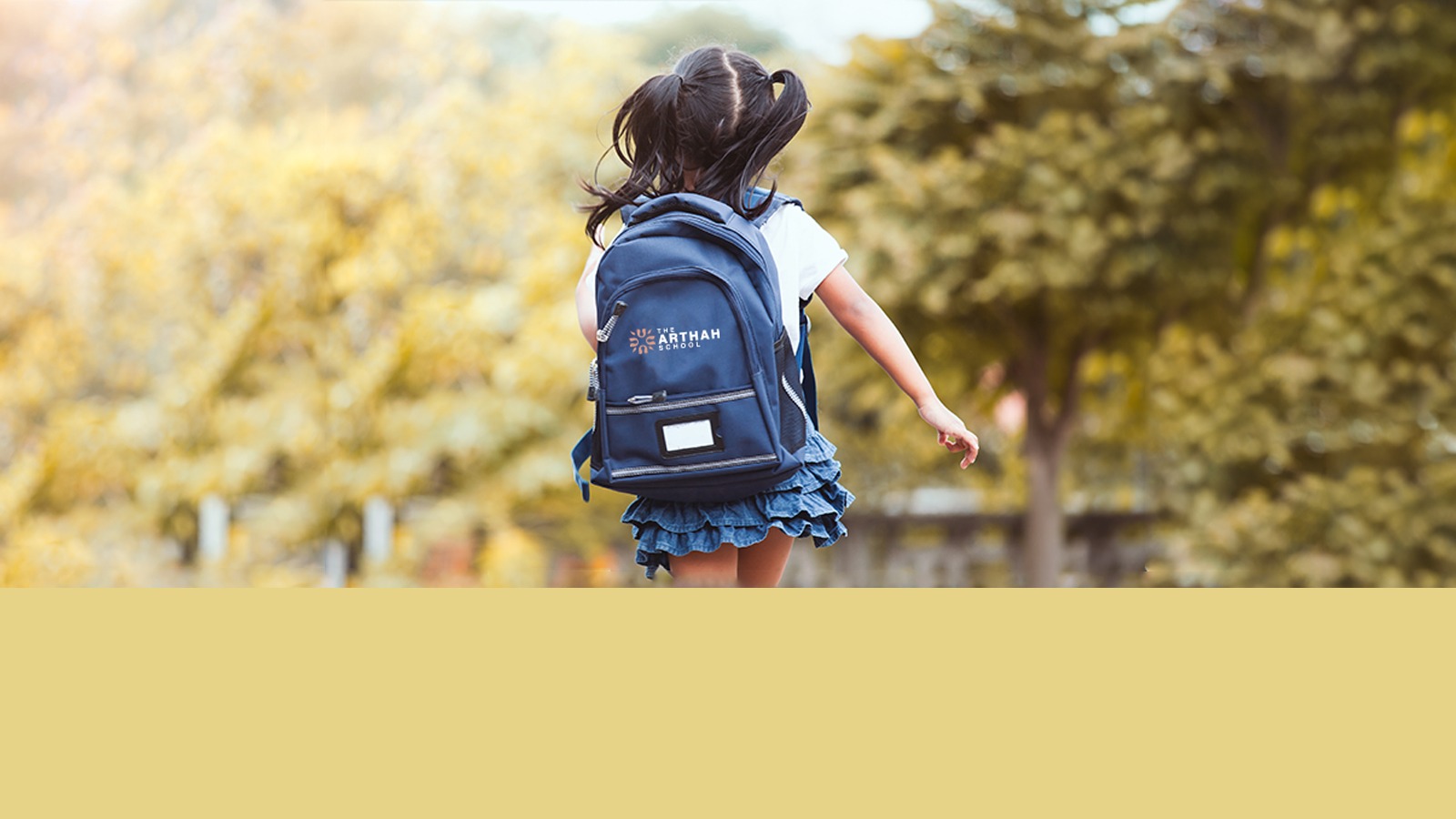
There is something about the end of summer that feels slightly unfinished. Children spend weeks getting used to a different pace of life. Mornings become slower. Bedtimes move around. Days are filled with visits, activities, travel, hobbies, or sometimes simply doing nothing in particular. Then school starts again.
For adults, it can look like a simple calendar change. For children, it is often a bigger shift than it seems. At The Arthah School, we often find ourselves thinking about this period because every child responds differently. That is probably why conversations about back-to-school tips never really become outdated. Every new academic year brings the same question in a slightly different form. How can children settle back in without feeling overwhelmed?
People often talk about routines as though they appear overnight. The first few school mornings are often rushed. Someone cannot find a notebook. A lunchbox goes missing. Sleep schedules are still catching up after weeks of flexibility. It happens in almost every home. There can be a temptation to fix everything immediately. But children usually adjust better when routines return gradually rather than becoming a source of pressure.
A consistent bedtime helps. So does preparing for the next day the evening before. These are not groundbreaking ideas, yet they seem to work because they remove small stresses before they become larger ones. Many parents look for tips for back to school, expecting something new or surprising. The funny thing is that children often respond best to simple things done consistently.
After a long break, there is often concern about academics.
Have they forgotten something?
Will they keep up?
Do they need extra practice?
These worries are understandable. Yet learning tends to return more naturally when curiosity returns first. Our academic approach has always been built around helping children become curious, confident learners rather than simply teaching them how to memorise information. In the early years, children learn literacy, numeracy, creativity, social-emotional development, and physical growth through meaningful experiences.
As they move into higher grades, they begin developing critical thinking, communication, research abilities, and problem-solving skills. The process looks different at every stage, but one thing remains true. Children learn better when they are interested. That may be why some of the most effective back-to-school study tips have less to do with studying longer and more to do with helping children engage with learning again. A curious child usually learns more than a worried one.
When people think about school, they often imagine classrooms first. That makes sense. But some of the most important learning moments happen elsewhere.
A child standing on a stage for the first time.
A group solving a problem together in a makerspace.
A student discovering a love for robotics.
A conversation during a storytelling session.
A new friendship formed during sports practice.
These moments are easy to overlook because they do not always appear in report cards. Yet they matter. At The Arthah School, we have always believed education should create opportunities for children to discover who they are, not only what they know. This is where skill development for students becomes meaningful. It is also where personality development for students begins to take shape. Confidence often grows quietly. Not through lectures about confidence, but through experiences that allow children to participate, create, communicate, and contribute.
One interesting thing about children is how naturally curious they are. Give them a question, and they often create three more. That curiosity deserves room to grow. This idea influences much of what we do at The Arthah School. In fact, many of our educational approaches align with practical back-to-school tips for students, encouraging them to stay curious, ask questions, and engage actively with their learning. Our Discovery Room, Storytelling Room, Science Labs, Math Lab, Robotic Lab, and Makerspace exist because learning becomes more powerful when children can learn concepts rather than simply hear about them.
The same thinking shapes our STREAM-enabled curriculum. Science, Technology, Reading and Writing, Engineering, Arts, and Mathematics are not treated as isolated subjects. Instead, children are encouraged to see how ideas connect. The world outside school is connected. Learning should feel connected to. Over time, these experiences contribute to the holistic development of students, helping them become thoughtful learners who can adapt to an ever-changing world.
When children return to school after a break, safety often enters the conversation as well. Usually, people think about physical safety first. Crossing roads carefully, following school procedures, staying aware of surroundings, these things matter. Many back-to-school safety tips focus on these practical habits because they help children move through their day with greater confidence.
But there is another safety side too. Children learn best when they feel emotionally secure. They need classrooms where questions are welcomed, mistakes are treated as part of learning, and individual differences are respected. That sense of belonging can make a surprising difference during the first few weeks back at school.
For some families, the start of the academic year also brings decisions about schooling itself. Perhaps they are relocating. Perhaps their child’s needs have changed. Perhaps they are looking at open school admission opportunities for the first time. When parents begin researching schools, the conversation usually starts with academics.
It rarely ends there. Families looking for CBSE schools in Kollur often want strong academic foundations. But they are also looking for an environment where children feel supported, challenged, and inspired. The same is true for those looking at the best CBSE schools in Hyderabad. Questions about learning progression, facilities, teacher quality, future readiness, well-being, and personal growth all become part of the decision.
At The Arthah School, our vision has always been larger than examination performance alone. We believe education should prepare children for life, not just assessments. That belief shapes everything from our competency-driven curriculum and smart classrooms to our emphasis on creativity, collaboration, digital citizenship, emotional well-being, and 21st-century skills. For families currently considering their options, open admission periods often become an opportunity to think carefully about the kind of learning journey they want for their children.
Every academic year begins with new books, new schedules, and new expectations. But beneath all of that, something quieter is happening. Children are growing. Sometimes the growth is obvious. Sometimes it is not. A child becomes a little more independent, a little more confident, a little more willing to ask questions or try something unfamiliar. Those changes rarely happen all at once. They happen gradually, through hundreds of small experiences across the year. That is why the first few weeks after summer break deserve patience. Children do not need to return exactly as they were before the holidays. They simply need the opportunity to settle, reconnect, and begin again. At The Arthah School, we see every new academic year as more than a return to classrooms. It is another chance for children to discover new strengths, build meaningful relationships, develop important life skills, and continue growing into capable, compassionate individuals. Everything else begins from there.