

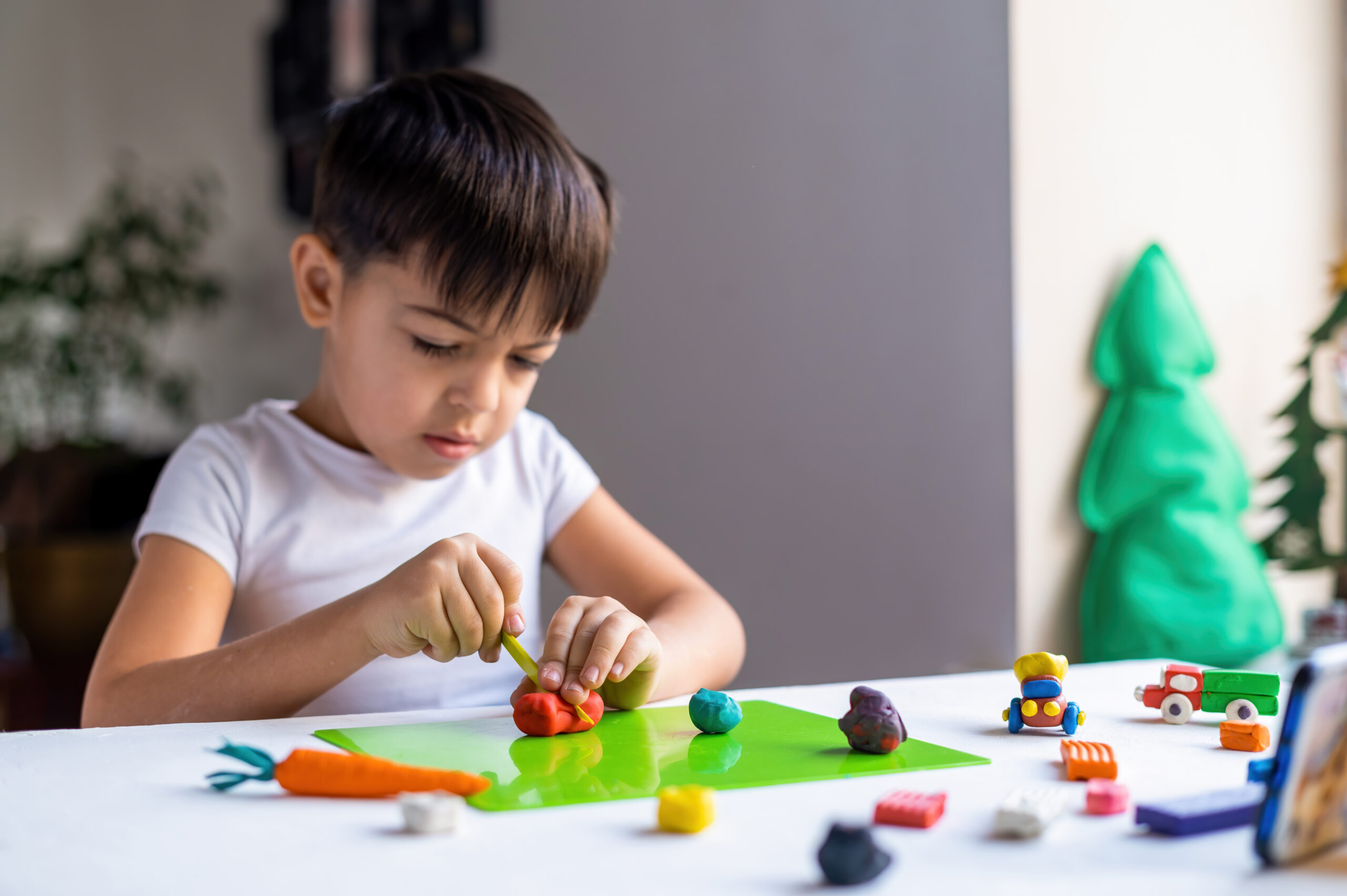
At this stage, the primary focus is on developing basic literacy, numeracy, and motor skills while nurturing social-emotional learning. The following learning outcomes are emphasized.
Cognitive Development: Children should learn to recognize and form letters, numbers, and shapes, laying the groundwork for reading, writing, and basic mathematical reasoning. These outcomes are tied to traditional domains like language acquisition and basic arithmetic.
Social-Emotional Learning: The ability to share, take turns, cooperate, and express feelings appropriately are vital for fostering emotional intelligence and social cohesion.
Creativity and Curiosity: Encouraging curiosity through play-based learning promotes creative thinking. Art, music, and storytelling sessions help children express themselves and think outside the box.
Physical Development: Gross and fine motor skills are emphasized through physical activities, promoting overall physical health and coordination,
Digital Awareness: Early exposure to basic technological tools (like interactive tablets) is encouraged to help learners navigate simple digital interfaces safely and responsibly.
At this stage, the primary focus is on developing basic literacy, numeracy, and motor skills while nurturing social-emotional learning. The following learning outcomes are emphasized.
Cognitive Development: Children should learn to recognize and form letters, numbers, and shapes, laying the groundwork for reading, writing, and basic mathematical reasoning. These outcomes are tied to traditional domains like language acquisition and basic arithmetic.
Social-Emotional Learning: The ability to share, take turns, cooperate, and express feelings appropriately are vital for fostering emotional intelligence and social cohesion.
Creativity and Curiosity: Encouraging curiosity through play-based learning promotes creative thinking. Art, music, and storytelling sessions help children express themselves and think outside the box.
Physical Development: Gross and fine motor skills are emphasized through physical activities, promoting overall physical health and coordination,
Digital Awareness: Early exposure to basic technological tools (like interactive tablets) is encouraged to help learners navigate simple digital interfaces safely and responsibly.
At this stage, the primary focus is on developing basic literacy, numeracy, and motor skills while nurturing social-emotional learning. The following learning outcomes are emphasized.
Cognitive Development: Children should learn to recognize and form letters, numbers, and shapes, laying the groundwork for reading, writing, and basic mathematical reasoning. These outcomes are tied to traditional domains like language acquisition and basic arithmetic.
Social-Emotional Learning: The ability to share, take turns, cooperate, and express feelings appropriately are vital for fostering emotional intelligence and social cohesion.
Creativity and Curiosity: Encouraging curiosity through play-based learning promotes creative thinking. Art, music, and storytelling sessions help children express themselves and think outside the box.
Physical Development: Gross and fine motor skills are emphasized through physical activities, promoting overall physical health and coordination,
Digital Awareness: Early exposure to basic technological tools (like interactive tablets) is encouraged to help learners navigate simple digital interfaces safely and responsibly.
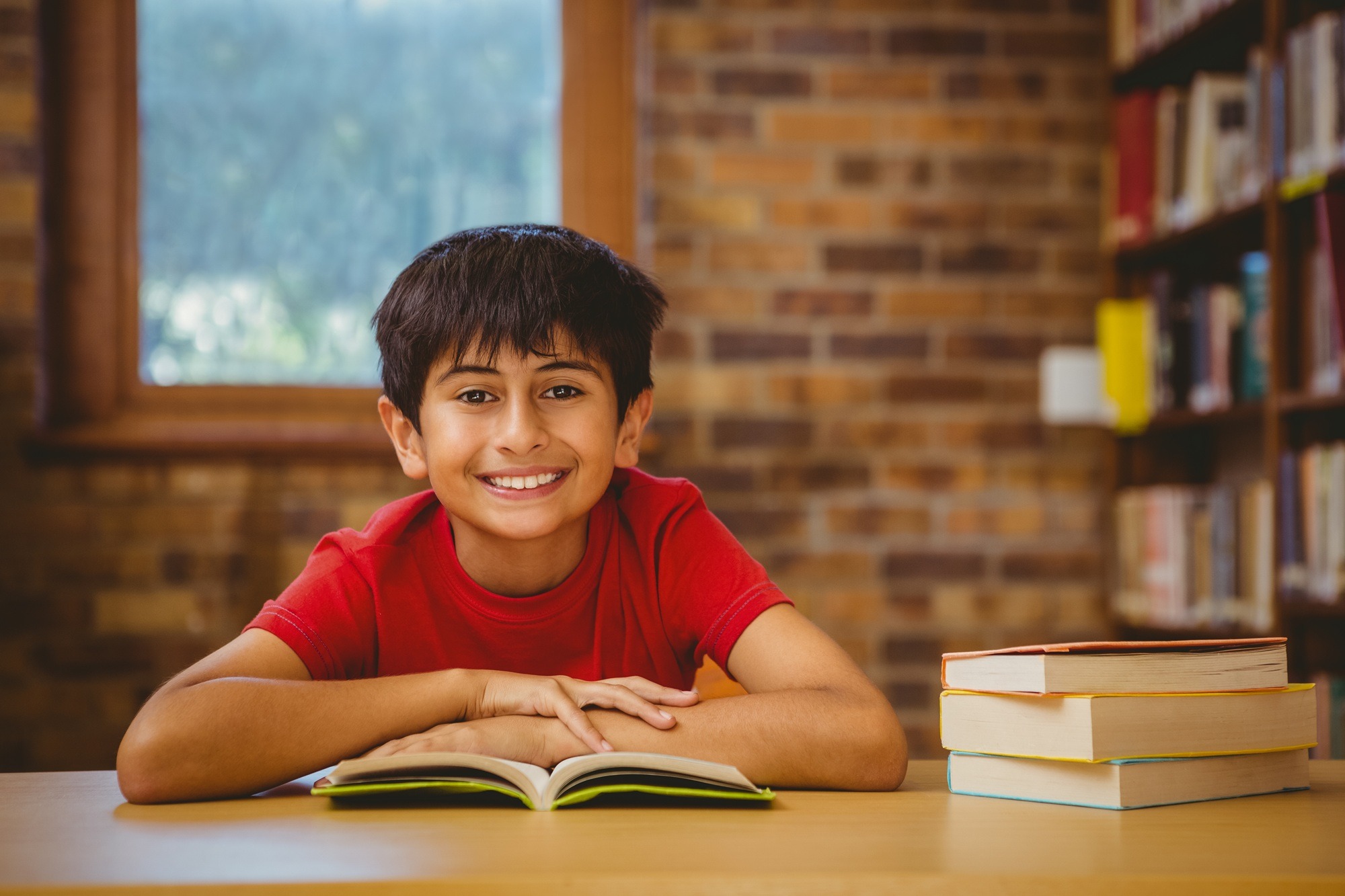
During these years, learners start building more complex thinking and problem-solving abilities while being introduced to project-based learning. Key learning outcomes include.
Critical Thinking and Problem-Solving: Schools focus on enabling learners to apply logical reasoning to solve problems, particularly in subjects like mathematics and science.
Collaboration and Communication: Group projects, peer learning, and collaborative assignments are key to developing teamwork and effective communication skills.
Civic Awareness and Ethical Behaviour: Children learn the importance of rules, ethics, and responsibility in society. History and Social Science introduce basic civic concepts
Basic Technology and Research Skills: As learners begin using digital tools to access information and create simple presentations, there is an emphasis on understanding digital citizenship and safely navigating online spaces
Personal and Social Responsibility: The development of empathy, self-awareness, and accountability is critical, with school introducing these concepts through structured discussions and activities.
During these years, learners start building more complex thinking and problem-solving abilities while being introduced to project-based learning. Key learning outcomes include.
Critical Thinking and Problem-Solving: Schools focus on enabling learners to apply logical reasoning to solve problems, particularly in subjects like mathematics and science.
Collaboration and Communication: Group projects, peer learning, and collaborative assignments are key to developing teamwork and effective communication skills.
Civic Awareness and Ethical Behaviour: Children learn the importance of rules, ethics, and responsibility in society. History and Social Science introduce basic civic concepts
Basic Technology and Research Skills: As learners begin using digital tools to access information and create simple presentations, there is an emphasis on understanding digital citizenship and safely navigating online spaces
Personal and Social Responsibility: The development of empathy, self-awareness, and accountability is critical, with school introducing these concepts through structured discussions and activities.
During these years, learners start building more complex thinking and problem-solving abilities while being introduced to project-based learning. Key learning outcomes include.
Critical Thinking and Problem-Solving: Schools focus on enabling learners to apply logical reasoning to solve problems, particularly in subjects like mathematics and science.
Collaboration and Communication: Group projects, peer learning, and collaborative assignments are key to developing teamwork and effective communication skills.
Civic Awareness and Ethical Behaviour: Children learn the importance of rules, ethics, and responsibility in society. History and Social Science introduce basic civic concepts
Basic Technology and Research Skills: As learners begin using digital tools to access information and create simple presentations, there is an emphasis on understanding digital citizenship and safely navigating online spaces
Personal and Social Responsibility: The development of empathy, self-awareness, and accountability is critical, with school introducing these concepts through structured discussions and activities.
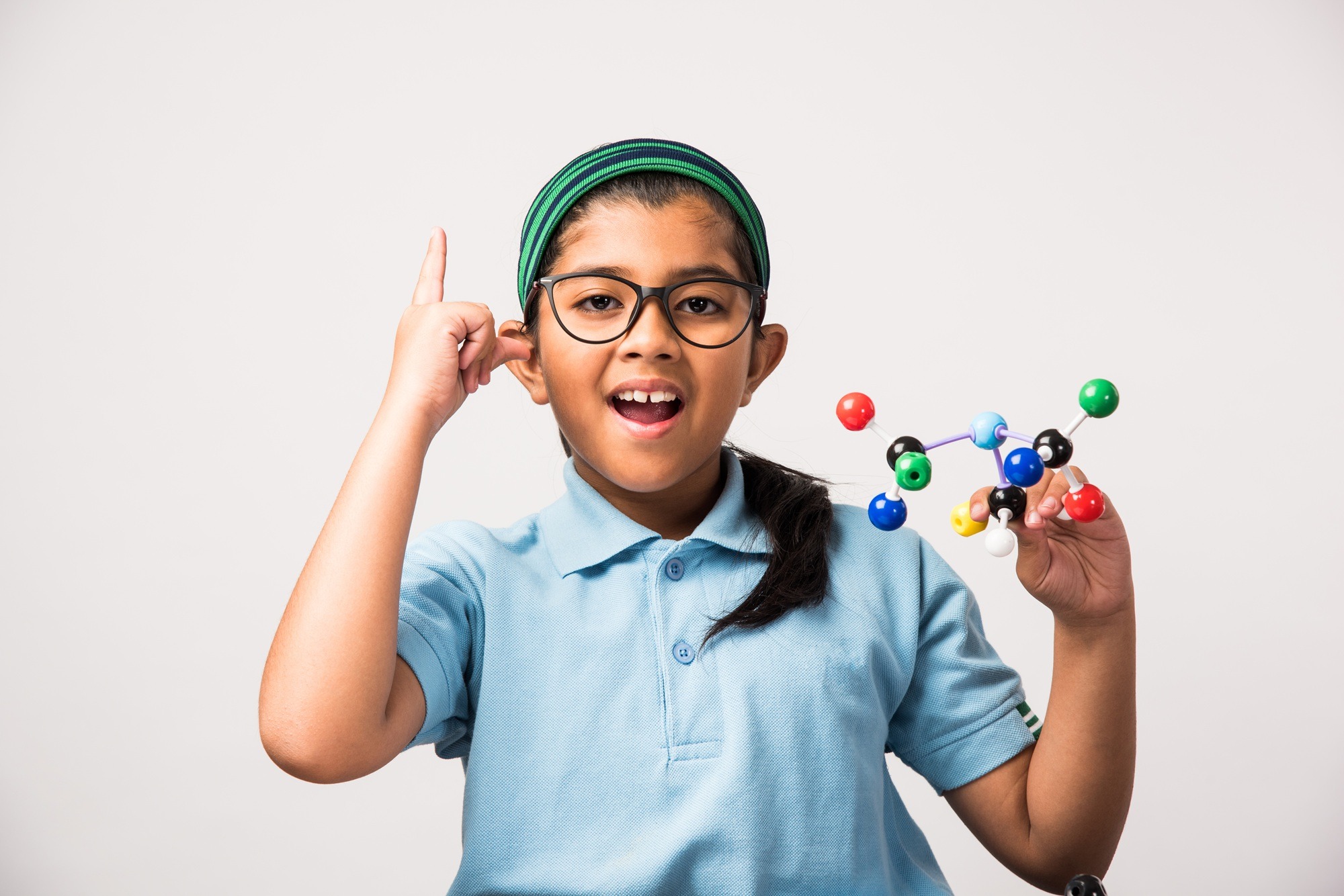
As learners move into their teenage years, the curriculum focuses on deepening their academic knowledge while encouraging cortical life skills. The learning outcomes for this age group Include:
Advanced Critical Thinking: Learners should be able to analyse complex problems, ask Insightful questions, and develop Informed opinions on various topics, Including global issues. This ties into deeper exploration of subjects like algebra, biology, and history
Research and Information Literacy: They are Introduced to proper research methodologies and how to critically assess sources of information, preparing them for independent learning and Inquiry.
Interpersonal and Cross-Cultural Skills: Collaboration on projects and exposure to global perspectives help learners appreciate diversity and engage with others effectively.
Technological Proficiency: More advanced digital skills are nurtured, including the use of productivity tools, coding, and creative technologies like graphic design and video editing.
Emotional and Social Well-being: Adolescents are guided to manage stress, develop resilience, and build healthy relationships. School focus on mental health and the importance of emotional intelligence during this phase.
As learners move into their teenage years, the curriculum focuses on deepening their academic knowledge while encouraging cortical life skills. The learning outcomes for this age group Include:
Advanced Critical Thinking: Learners should be able to analyse complex problems, ask Insightful questions, and develop Informed opinions on various topics, Including global issues. This ties into deeper exploration of subjects like algebra, biology, and history
Research and Information Literacy: They are Introduced to proper research methodologies and how to critically assess sources of information, preparing them for independent learning and Inquiry.
Interpersonal and Cross-Cultural Skills: Collaboration on projects and exposure to global perspectives help learners appreciate diversity and engage with others effectively.
Technological Proficiency: More advanced digital skills are nurtured, including the use of productivity tools, coding, and creative technologies like graphic design and video editing.
Emotional and Social Well-being: Adolescents are guided to manage stress, develop resilience, and build healthy relationships. School focus on mental health and the importance of emotional intelligence during this phase.
As learners move into their teenage years, the curriculum focuses on deepening their academic knowledge while encouraging cortical life skills. The learning outcomes for this age group Include:
Advanced Critical Thinking: Learners should be able to analyse complex problems, ask Insightful questions, and develop Informed opinions on various topics, Including global issues. This ties into deeper exploration of subjects like algebra, biology, and history
Research and Information Literacy: They are Introduced to proper research methodologies and how to critically assess sources of information, preparing them for independent learning and Inquiry.
Interpersonal and Cross-Cultural Skills: Collaboration on projects and exposure to global perspectives help learners appreciate diversity and engage with others effectively.
Technological Proficiency: More advanced digital skills are nurtured, including the use of productivity tools, coding, and creative technologies like graphic design and video editing.
Emotional and Social Well-being: Adolescents are guided to manage stress, develop resilience, and build healthy relationships. School focus on mental health and the importance of emotional intelligence during this phase.

At this level, the focus shifts to preparing learners for higher education, careers, and life beyond school Rey learning outcomes are:
Mastery of Core Subjects: Learners are expected to demonstrate a deep understanding of subject-specific knowledge across areas like science, mathematics, social studies, and language arts, preparing them for specialization or further education.
Leadership and Initiative: Schools encourage leadership roles within clubs, sports, or projects. Initiative, entrepreneurial thinking, and risk-taking are celebrated to nurture independence and self-motivation.
Global and Cultural Awareness: In a world that is Increasingly interconnected, learners learn about global issues, diversity, sustainability, and the responsibilities of global citizenship.
Career Readiness and Entrepreneurship: High schools focus on equipping learners with skills that will serve them in the workforce, such as project management, financial literacy, and entrepreneurship, ensuring they can navigate various career paths or startups.
Adaptability and Lifelong Learning: Recognizing that many jobs of the future do not yet exist, schools aim to instil adaptability and a mindset of continuous learning. This involves a growth mindset, agility in the face of change, and the ability to innovate and problem-solve in new situations.
At this level, the focus shifts to preparing learners for higher education, careers, and life beyond school Rey learning outcomes are:
Mastery of Core Subjects: Learners are expected to demonstrate a deep understanding of subject-specific knowledge across areas like science, mathematics, social studies, and language arts, preparing them for specialization or further education.
Leadership and Initiative: Schools encourage leadership roles within clubs, sports, or projects. Initiative, entrepreneurial thinking, and risk-taking are celebrated to nurture independence and self-motivation.
Global and Cultural Awareness: In a world that is Increasingly interconnected, learners learn about global issues, diversity, sustainability, and the responsibilities of global citizenship.
Career Readiness and Entrepreneurship: High schools focus on equipping learners with skills that will serve them in the workforce, such as project management, financial literacy, and entrepreneurship, ensuring they can navigate various career paths or startups.
Adaptability and Lifelong Learning: Recognizing that many jobs of the future do not yet exist, schools aim to instil adaptability and a mindset of continuous learning. This involves a growth mindset, agility in the face of change, and the ability to innovate and problem-solve in new situations.