
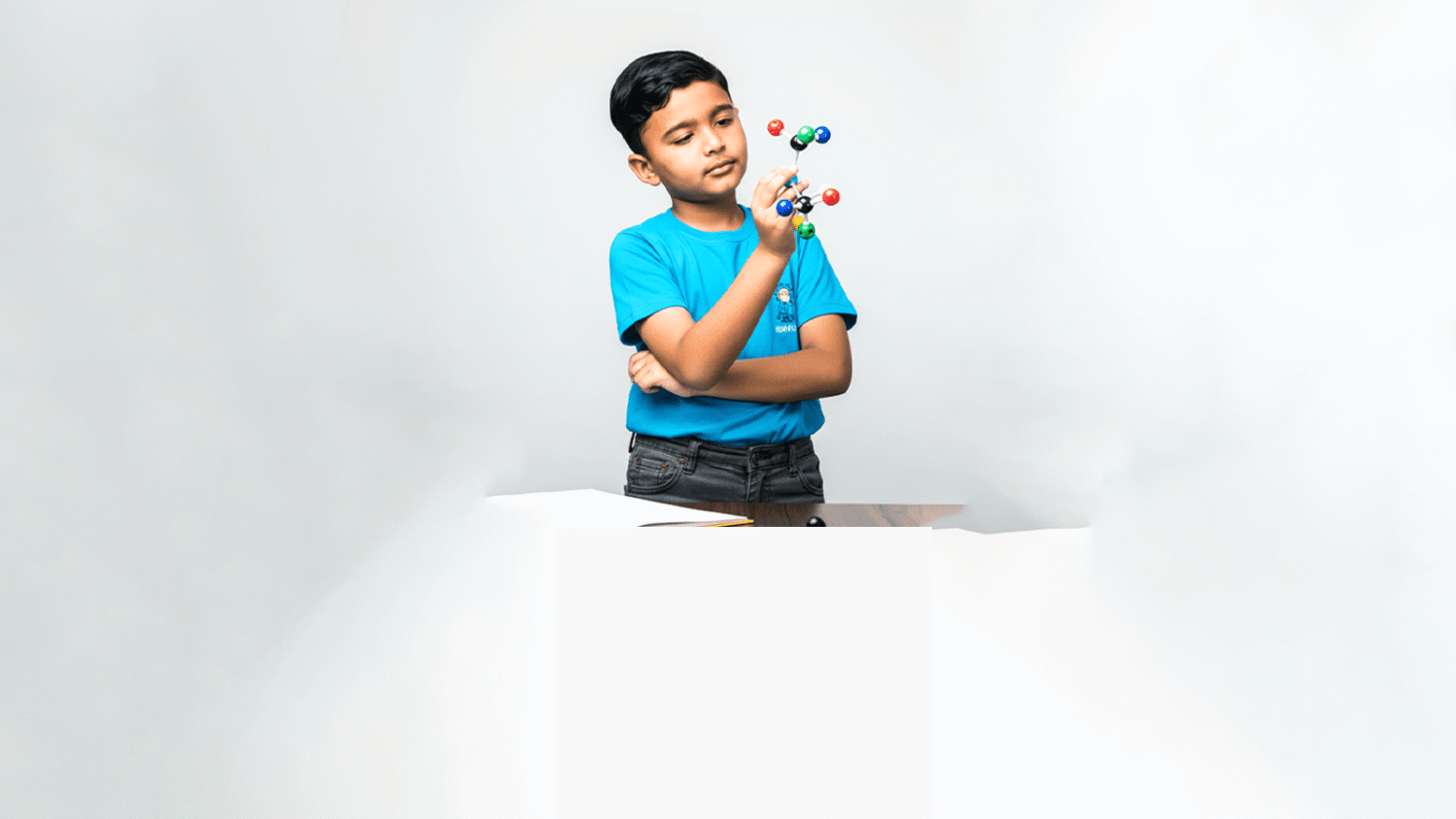
We often wonder what children truly take with them at the end of each day. Not homework, not marks, something quieter than that. It shows up later, in how they talk to someone different from them, in how they handle pressure, or in how they pause before reacting. These things rarely come from a textbook, yet they shape life far more deeply than most chapters ever will. That is where conversations about life skills education begin for us. Not as a separate programme, not as a checklist, but as something that naturally grows when learning is allowed to feel human.
The question of what life skills sounds simple, but the answer never is. We see life skills as small, everyday abilities that quietly form over time. Knowing how to listen without planning the next reply, learning how to speak honestly without being unkind, or understanding when to step forward and when to step back. For us, life skills for students are not taught in isolation. They live inside daily interactions, in classrooms, on playgrounds, during performances, and sometimes in moments that feel ordinary but stay remembered.
There is a belief that children will “figure these things out later.” We have learned that later often comes too late. The importance of life skills education becomes clear when children are still forming their sense of self. At this age, they are learning how mistakes feel, how success feels, and how relationships work. These early experiences quietly shape confidence and resilience. That is why life skills for children are not treated as extras here. They are part of the foundation. When children feel safe enough to try, fail, reflect, and try again, something steady begins to form inside them.
At The Arthah School, learning rarely happens only through explanation. Children learn best when they are involved. When they move, build, speak, negotiate, and imagine. Our life skills activities often look like regular school life from the outside. Group projects that don’t go as planned. Sports that teach patience and teamwork. Performing arts that ask children to be seen and heard. Makerspaces where ideas fail before they work. This is where different types of life skills quietly take shape, like problem-solving, collaboration, and adaptability. None of it feels forced. That is important to us.
We spend a lot of time noticing how children communicate. Not just what they say, but how they listen, how they disagree, and how they explain their thinking. The importance of communication skills in professional life is often discussed much later, but its roots are visible early. When children learn to express themselves without fear and listen without judgment, they begin to understand others more deeply. Spaces like our storytelling room, classrooms, and performing arts studios give children room to practice this daily. Not to perform perfectly, but to connect honestly.
One of the most meaningful skills children develop here is self-awareness. Self-awareness can look like a child noticing when they need help, another discovering they focus better after some movement, or one learning how emotions shape their choices. Our well-being practices and supportive environment encourage children to notice themselves without pressure. This kind of awareness becomes an anchor later in life.
As a CBSE school, we value structure and academic clarity. We follow the curriculum with care, and yes, life skills exam preparation has its place. But we believe academics work best when children are not defined by them. Learning here is interdisciplinary; subjects talk to each other, and real-world connections matter. Children are encouraged to ask why something matters, not just how to answer it. This balance allows confidence to grow without fear taking over.
When people speak about value education and life skills, it can sometimes sound distant. For us, values are felt in everyday interactions. Respect is seen in how adults speak to students. Responsibility grows through leadership roles. Integrity is modelled consistently. Children notice these things. They always do. Over time, values become habits rather than rules.
The world children are growing into will keep changing. That is unavoidable. Our role is not to prepare them for one version of the future, but to help them stay steady through change.
Through our 2040-engineered curriculum, physical intelligence, and edupreneurship foundations, children learn to think, adapt, and create. These are life skills that stay relevant even when everything else shifts.
Our 6+ acre campus in Kollur is not just about scale. It is about breathing room, space to move, space to think, and the space to look at safely. For families looking at CBSE schools in Hyderabad, the environment often matters as much as curriculum. We see how nature-integrated spaces, sports arenas, labs, and creative rooms support emotional balance and curiosity. Safety, well-being, and trust allow learning to deepen.
Among the many best CBSE schools in Hyderabad, families often tell us they are not just choosing academics. They are choosing how their child will feel each day. At The Arthah School, we don’t promise perfection. We promise care, thoughtfulness, and a belief that education should help children grow into capable, grounded individuals.
When we step back and look at what truly matters, it becomes clear that school is not only about what children learn, but who they become while learning. At The Arthah School, life skills are not added on at the edges of the day. They grow slowly, through relationships, routines, movement, conversations, and moments that feel small at the time. We see children learning how to think, how to feel, how to work with others, and how to understand themselves. Each experience becomes a quiet topic for life skills, shaping confidence and judgment in ways exams never can. These lessons stay long after school years pass, guiding choices and helping children move through the world with steadiness and purpose.